wb_sunnyWeather & Climate The Sunniest Place in Europe
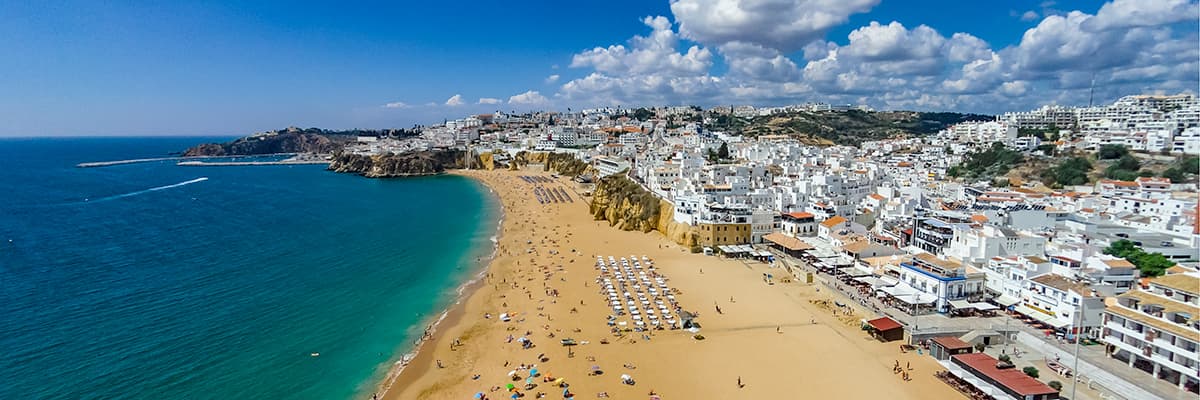
The proximity of the Mediterranean Sea greatly influences the Algarvian climate. Summers are hot and dry, but not suffocating thanks to the Atlantic Ocean, and winters are mild with hardly any rain (50 days with rain and 500 mm on average each year), combined with very inviting springs and autumns. The Algarve is famous for enjoying over 300 days of sun and 3000 hours of sunlight on average per year.
Daily Weather ReportPosted: Yesterday
Quite cool this morning, starting to get cloudy. Temperature at 0810am is 14.9º. There is little wind at the moment, but some weather is approaching from the south west. That could bring some showers from mid morning and it will be windier. Maximum temperature no more than 18 or 19º. Tonight will be cool again, down to 14º by midnight. The weekend will also be fairly cool, 20º at best, with a good chance of showers throughout. it could be fairly windy on Saturday afternoon, but otherwise no too bad. Next week is expected to be a mix once more of sunny spells and cloud, rain showers likely and 20 - 21º only.Tide table for Albufeira area - Today and Tomorrow
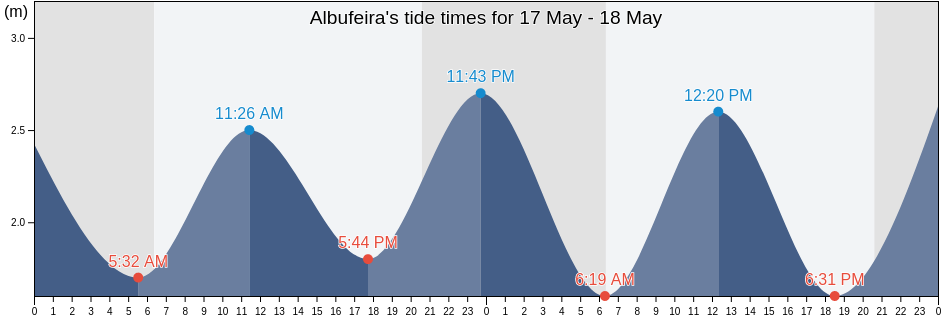
Websites for further information on weather and tides in Albufeira
 IPMA
IPMA
Portuguese Institute for Sea and Atmosphere The Weather Channel
10 Days Forecast WindGURU
Detailed Weather and Wind Forecast Weather Underground
Detailed weather conditions Euronews.com
Weather and Air Quality Index BBC.com Weather
Weather Forecast for Albufeira Tides4Fishing.com
Detailed information about weather and sea conditions Centro Meteo
Warning for severe weather alarm in the Algarve